

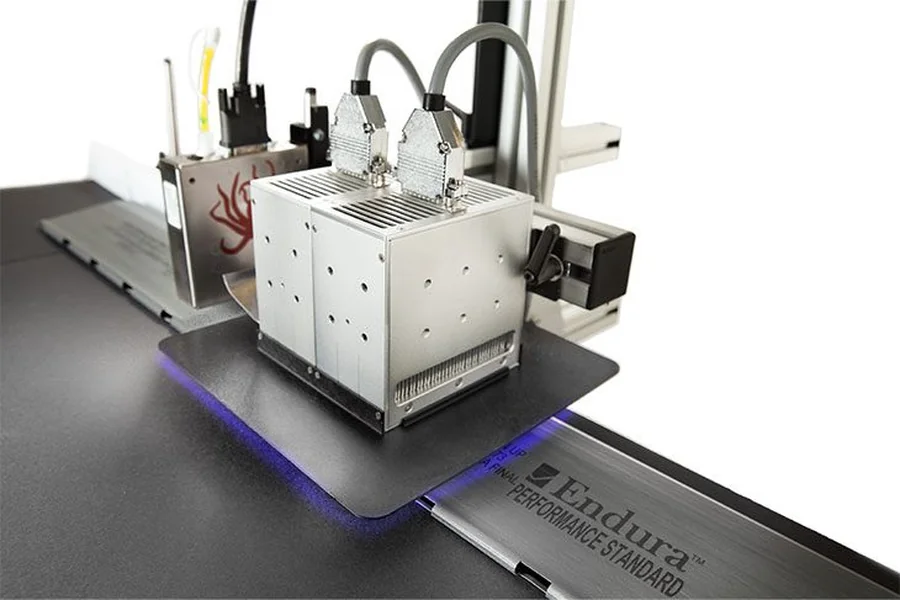
Key Takeaways
- water cooled uv curing systems improve manufacturing speed by maintaining stable operating temperatures and reducing curing times.
- These systems provide consistent performance in demanding industrial environments while minimizing maintenance requirements.
- Superior thermal management helps manufacturers lower energy consumption and reduce operational expenses.
- Water-cooled UV systems are engineered for durability, extending equipment lifespan and minimizing downtime.
- Eco-friendly operation supports sustainable manufacturing practices through lower emissions and improved energy efficiency.
Enhancing Productivity With Water-Cooled UV Curing Systems
Faster Curing Speeds Improve Production Output
In modern manufacturing, speed and efficiency directly impact profitability. One of the biggest advantages of water cooled uv curing systems is their ability to maintain consistent lamp temperatures, allowing UV lamps to perform at peak efficiency throughout production cycles.
This temperature control results in significantly faster curing times compared to traditional cooling methods. Manufacturers can move products through production lines more quickly without sacrificing quality or consistency.
Shorter curing cycles also increase throughput, helping facilities meet rising production demands while reducing bottlenecks. In industries where timing matters, even small improvements in curing speed can create substantial operational gains.
Reliable Performance in Harsh Industrial Conditions
Manufacturing facilities often operate in challenging environments with excessive heat, dust, and demanding workloads. Water-cooled UV curing systems are specifically designed to maintain stable performance under these conditions.
Unlike air-cooled alternatives that can struggle with temperature fluctuations, water-cooled systems maintain precise operating temperatures regardless of external conditions. This consistent performance reduces the risk of curing inconsistencies and equipment failures.
Manufacturers benefit from:
- Reduced maintenance interruptions
- Improved production reliability
- Better curing precision
- Longer equipment lifespan
The ability to maintain dependable performance under pressure makes these systems an essential solution for high-volume production environments.
Reducing Costs Through Superior Energy Efficiency
Lower Energy Consumption Through Better Thermal Management
Energy efficiency remains one of the most important financial concerns in industrial operations. Water-cooled UV curing systems help reduce operating costs by using water’s natural thermal properties to remove heat more efficiently than air-cooled systems.
Because these systems regulate temperature more effectively, they require less energy to maintain optimal curing conditions. Lower energy usage translates directly into reduced utility expenses and improved profitability.
Manufacturers also benefit from:
- Lower cooling costs
- Reduced strain on HVAC systems
- Improved system efficiency
- Stable production output
Over time, these savings can significantly impact overall operating budgets.
Reduced Cooling Load Improves System Performance
Efficient cooling doesn’t just lower costs—it also improves equipment performance. By reducing excess heat buildup, water-cooled systems place less stress on critical components, extending the life of lamps and curing equipment.
This lower cooling load leads to:
- Fewer equipment failures
- Reduced maintenance costs
- Improved curing consistency
- Less product rework
When systems operate efficiently, manufacturers can maintain higher productivity while minimizing costly disruptions.
Durability and Reliability in Industrial Applications
Built for Long-Term Industrial Use
Industrial equipment must withstand constant use in demanding environments. Water-cooled UV curing systems are engineered for durability, making them ideal for facilities that rely on continuous production.
Their advanced cooling design protects internal components from overheating, which is one of the primary causes of equipment wear and premature failure.
Manufacturers investing in these systems often experience:
- Longer equipment lifespan
- Greater operational stability
- Lower replacement costs
- Improved return on investment
Reliable equipment helps businesses avoid unexpected interruptions that can negatively affect productivity and profitability.
Minimizing Downtime in Critical Operations
Unexpected downtime can be extremely expensive in manufacturing environments. Water-cooled systems help reduce these risks by delivering stable and dependable performance during continuous operation.
Their advanced thermal control systems reduce overheating issues while maintaining consistent UV output. This reliability is especially valuable in industries where curing quality directly impacts product performance.
Even a small reduction in downtime can dramatically improve production schedules and operational efficiency over time.
Supporting Sustainable Manufacturing Practices
Eco-Friendly Manufacturing Solutions
Sustainability continues to play a larger role in modern manufacturing decisions. Water-cooled UV curing systems support environmentally responsible operations by reducing overall energy consumption and lowering greenhouse gas emissions.
Compared to traditional cooling methods, these systems offer a smaller environmental footprint while maintaining high production standards.
Environmental benefits include:
- Reduced electricity usage
- Lower emissions
- Improved energy efficiency
- Support for sustainability initiatives
Companies seeking greener manufacturing practices often view water-cooled technology as a valuable long-term investment.
Lower Heat Emissions Create Better Work Environments
Excessive heat in manufacturing environments can affect both equipment performance and employee comfort. Water-cooled systems significantly reduce heat emissions, helping facilities maintain safer and more comfortable working conditions.
Lower surrounding temperatures can also help protect nearby equipment from heat-related stress and failures. This creates a more efficient and stable production environment overall.
FAQ
How do water-cooled UV curing systems compare to air-cooled systems?
Water-cooled systems generally provide better thermal management, faster curing speeds, and improved energy efficiency. They also maintain more stable operating temperatures during demanding production cycles.
What industries benefit most from water-cooled UV curing?
Industries such as automotive manufacturing, electronics, packaging, printing, and industrial coatings commonly benefit from these systems due to their need for fast, reliable curing processes.
Are water-cooled UV curing systems energy efficient?
Yes. These systems reduce energy consumption by using water for highly efficient heat removal, lowering overall cooling requirements and operational costs.
Do water-cooled systems require a lot of maintenance?
No. Most systems are designed for durability and require only routine inspections, water level checks, and occasional filter maintenance to maintain peak performance.
How do these systems improve equipment lifespan?
By controlling operating temperatures more effectively, water-cooled systems reduce thermal stress on lamps and internal components, helping equipment last longer and perform more reliably.
Can water-cooled UV systems support sustainable manufacturing?
Absolutely. Reduced energy use and lower greenhouse gas emissions make these systems an environmentally responsible choice for manufacturers pursuing sustainability goals.
Do water-cooled UV curing systems reduce downtime?
Yes. Their stable operating temperatures and dependable performance help minimize unexpected equipment failures and production interruptions.
Are water-cooled UV systems suitable for high-volume production?
Yes. These systems are specifically designed to handle continuous operation and demanding industrial production environments while maintaining consistent curing quality.
