

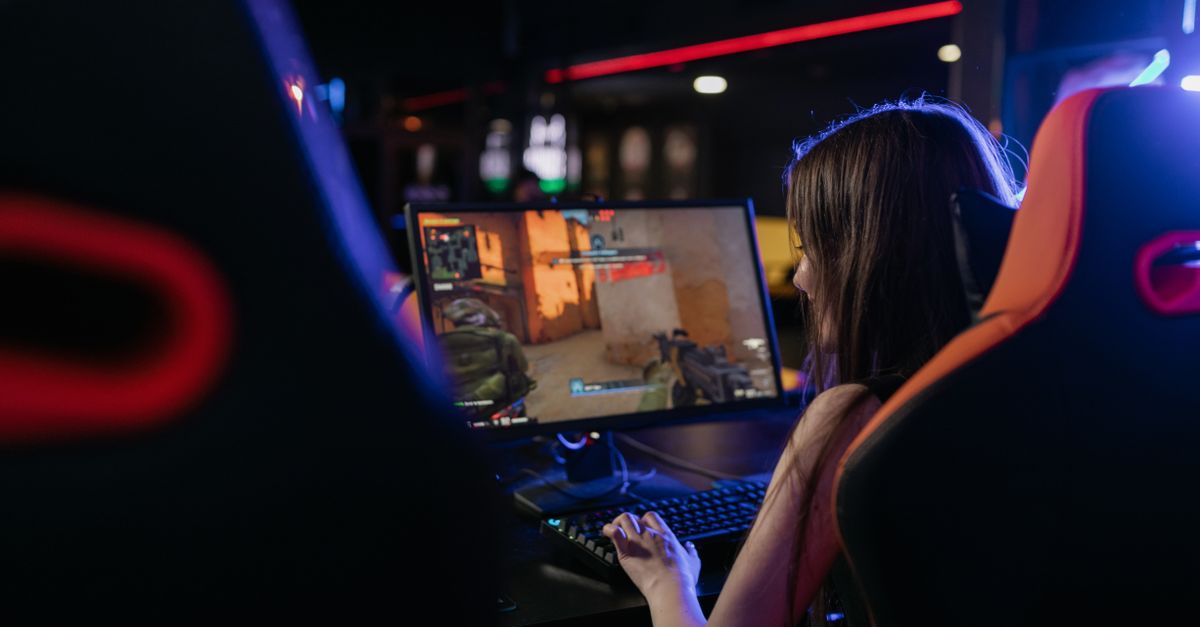
Why do online games feel so social, even when players are scattered across different cities or countries?
The answer is not just the game itself. A digital community layer sits around the gameplay and turns a solo activity into something shared. It carries chat, identity, moderation, feedback, and status signals that help players feel like they belong to something larger than a match.
That layer matters because games are no longer only about rules and scores. They are also about communication, trust, and repeat interaction. In many cases, the social structure around the game shapes how long people stay, how often they return, and how they talk about their experiences.
The Social Core Behind Online Gaming
Online gaming works best when players can recognize each other and communicate fast. The community layer makes that possible by connecting accounts, profiles, friends lists, and chat tools into one social system.
Identity And Reputation
Players build a name for themselves through profiles, ranks, badges, and history. These signals help others decide who to team up with, who to trust, and how to interpret skill level. A clear identity system also gives players a reason to return, because progress is stored beyond a single session.
Shared Rules And Behavior
Any active gaming space needs clear conduct rules. Community tools help manage reports, filter harmful messages, and reduce chaos during play. When people know there are shared expectations, they are more likely to communicate in a steady, respectful way.
Some gaming spaces also pair social systems with content hubs, such as asia303, where players often look for organized access to game-related updates and community activity. That kind of connection can make the experience feel more connected and easier to follow.
Why Community Features Keep Players Connected
Once the social base is in place, small features start doing a lot of work.
Chat, Groups, And Matchmaking
Chat lets players coordinate in real time, but groups and clans add something bigger: continuity. Instead of meeting random teammates every time, players can return to familiar circles. That familiarity lowers friction and makes cooperation more natural. Matchmaking also becomes better when it uses social data, since repeated play with compatible people tends to improve the experience.
Events And Shared Moments
Community events give players reasons to show up at the same time. Special matches, seasonal activities, and ranked challenges create talking points and shared memory. People often remember the interactions around the event as much as the event itself. That is part of why online gaming can feel active even when the gameplay is simple.
Feedback Loops That Shape Behavior
Likes, reactions, comments, and visible stats all create feedback loops. Players learn what kinds of actions earn respect or attention. Over time, those loops shape how people play, post, and communicate. A healthy community layer keeps those signals clear without turning the space into noise.
For readers comparing gaming communities, references such as situs slot gacor often appear in discussions about how players move between information sources, social spaces, and game-related habits. The pattern shows how tightly community and content are linked.
How Community Layers Improve The Player Experience
When the social side is working well, the entire experience feels easier to use and more enjoyable.
Belonging And Return Visits
People come back when they feel known. A strong community layer gives players familiar names, ongoing conversations, and a sense that their time matters. That feeling of belonging can be more powerful than any single feature, because it gives the game a social reason to remain part of daily routine.
Learning Through Other Players
Players also learn faster when they can watch, ask, and compare notes. Community spaces often provide tips, strategy talk, and practical feedback that help newer players improve without relying only on trial and error. This shared learning lowers frustration and makes the entire environment more useful.
Stability During Busy Periods
When traffic spikes, a good community layer helps keep order. Clear moderation tools, visible reporting paths, and organized channels reduce confusion. That stability matters because online gaming can change fast, and players need spaces that still feel understandable when activity picks up.
Final Thoughts
Online gaming is more than software running on a screen. It is a social system built from communication, reputation, and repeated contact. The digital community layer gives games structure beyond the match itself, and that structure is what helps people stay involved. When players can talk easily, trust the space, and see their progress reflected back to them, the experience becomes more meaningful. That is why the community layer is not just background support. It is the part that turns online gaming into something people return to, talk about, and share with others.
