

Unveiling the Science: What is Plasma and Why is it Precious?
The Role of Plasma in the Human Body
Plasma is the liquid component of blood, a pale yellow fluid comprising approximately 55% of total blood volume. It serves as a critical transport medium for nutrients, hormones, proteins, waste products, and other substances throughout the body. Plasma is composed of water (about 90%), electrolytes, enzymes, antibodies, and proteins, including albumin, fibrinogen, and globulins. The presence of these elements explains their crucial role in maintaining bodily functions. For instance, plasma proteins play significant roles in blood clotting, immune responses, and maintaining osmotic pressure, which is essential for fluid balance in tissues.
Furthermore, plasma is implicated in bodily homeostasis, helping regulate pH levels and temperature. By serving as a reservoir for clotting factors, it allows the body to respond swiftly to injuries and prevent excessive blood loss. Thus, understanding plasma’s multifaceted functions underscores its precious nature, not only as a component of blood but as a crucial biological fluid that sustains life.
Types of Donated Plasma and Their Unique Uses
When individuals donate plasma, their contributions can be categorized into two primary types: source plasma and recovered plasma. Source plasma is collected from donors through a process called plasmapheresis, where whole blood is drawn, and plasma is separated and collected, while the remaining blood components are returned to the donor. Source plasma is primarily utilized in the production of therapeutic medical products such as immunoglobulins, clotting factor concentrates, and albumin, which are vital for treating various health conditions, including immune deficiencies and hemophilia.
On the other hand, recovered plasma is derived from whole blood donations, where plasma is separated after the blood donation. Although it can be used for similar applications, recovered plasma is often designated for use in transfusions or for manufacturing blood components in less complex processes. Each type of plasma targets specific therapeutic needs, thereby amplifying its importance in modern medicine. In a world striving for better health outcomes, recognizing the types and applications of donated plasma can motivate potential donors to take action.
The Journey of Plasma: From Donation to Life-Saving Therapies
The journey of donated plasma is a fascinating and meticulous process. After donation, plasma is transported to processing centers where it’s typically tested for infectious diseases to ensure safety for recipients. Standard tests check for pathogens such as HIV, hepatitis B and C, and other viruses, mitigating health risks. Once cleared, the plasma undergoes further processing, where it’s separated into different components, including clotting factors and immunoglobulins, depending on the medical needs identified.
Post-processing, these components are packaged and stored or distributed to hospitals and clinics, ready for use in various therapies. For example, immunoglobulins from plasma can be administered to patients with weakened immune systems, enabling them to fight infections more effectively. Clotting factors are life-saving for hemophilia patients, allowing them to lead safer lives without the constant threat of spontaneous bleeding. This journey not only highlights the scientific complexities involved in plasma donation but also accentuates the crucial role every donation plays in transforming lives and supporting complex therapeutic regimes.
Plasma Donation Process: What to Expect at a Plasma Center
Step-by-Step Guide: Your First Visit to a Plasma Center
If you’re considering donating plasma for the first time, it’s important to understand what to expect at a plasma center. The initial step typically involves registration, where you’ll provide some personal information and undergo a health screening. This screening includes a questionnaire that assesses your medical history and evaluates your suitability for donation. The questions may cover recent illnesses, medications, travel history, and lifestyle factors, which together help ensure the safety of both you and the recipients of the plasma.
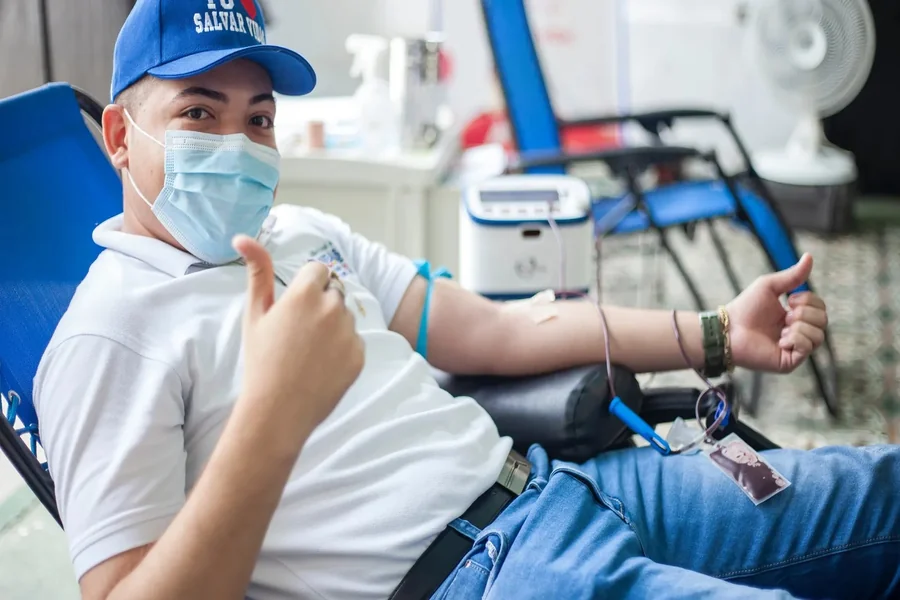
Following this, your vital signs will be checked, including blood pressure, pulse, temperature, and hemoglobin levels, to assess your health status. If you meet all the criteria, the actual donation process can begin. It typically lasts about 1 to 2 hours, during which you’ll be comfortably seated with both arms rested while blood is drawn through a sterile needle placed in a vein, usually in your arm. The blood is then separated via a centrifuge, which extracts the plasma for collection. Once the procedure is complete, the remaining blood components are reintroduced into your bloodstream, concluding the donation process.
Frequently Asked Questions: Addressing Myths and Concerns
Many potential donors harbor myths and misconceptions about plasma donation that can hinder their willingness to participate. A common question revolves around safety; many might wonder, “Is it safe to donate plasma?” The answer is a resounding yes when performed at licensed plasma donation centers. These facilities adhere to rigorous health and safety standards, ensuring all procedures maintain sterility and instruments are single-use. Additionally, trained healthcare professionals oversee the donation process, making it efficient and safe.
Another frequently posed query involves the effects of plasma donation on the donor. Some individuals express concerns about feeling weak or fatigued afterward. While it is common to feel a bit tired post-donation, this typically resolves quickly. It’s crucial to follow aftercare recommendations, including hydration and nourishment, to help your body replenish the plasma volume quickly. Additionally, understanding that you can continue donating plasma every few weeks can help dispel fears about the donation frequency and its medical implications. Providing clear, factual answers to such concerns can encourage more individuals to explore the noble act of plasma donation.
Aftercare: Essential Tips for a Smooth Recovery
After donating plasma, the importance of proper aftercare cannot be overstated. Your body works hard to restore the volume of plasma you gave, and supporting this process can enhance your recovery. First and foremost, it is crucial to hydrate adequately; drinking plenty of water before and after the donation can help replenish the fluid lost during the process. Aim for at least 16 ounces of water shortly after donating. Furthermore, consider consuming a balanced meal rich in proteins and carbohydrates to help restore energy levels and facilitate protein synthesis.
For some donors, mild pain or bruising at the injection site is possible. Applying a cool compress may alleviate discomfort, while gentle movement of the arm can also promote circulation. Most importantly, it’s advisable to wait for a few hours before engaging in strenuous activities or heavy lifting. Listening to your body is key; should you experience any unusual symptoms like dizziness or nausea, resting in a comfortable position and consuming snack items can mitigate these effects. Following these aftercare tips will not only promote a smoother recovery but will also ensure you are ready for your next donation.
The Transformative Impact of Plasma Donation on Lives
Real-Life Stories: How Plasma is Changing Lives
The impact of plasma donation often transcends the act itself, manifesting in profound ways in the lives of patients reliant on plasma-derived therapies. Take, for instance, the account of Sarah, a young girl diagnosed with a rare autoimmune disease. After receiving immunoglobulin therapy from donated plasma, Sarah experienced incredible improvements in her health her infections declined, enabling her to resume normal activities and show improvements in her quality of life. Stories like Sarah’s illustrate how plasma donations directly help individuals navigate their health challenges, and they lend a personal touch to the often abstract concept of blood donation.
Similarly, organizations that gather plasma often feature testimonials from patients who have benefitted from these treatments. These narratives emphasize the essential nature of plasma, as many treatment scenarios involve patients with life-threatening conditions, such as severe burns or surgeries requiring extensive blood loss management. By sharing these stories, the real human element behind plasma donation is brought to light, inspiring broader community engagement and motivating new donors who wish to contribute to such transformative impacts.
The Ripple Effect: Community Benefits of Plasma Donation
The benefits of plasma donation extend beyond individual lives, creating ripple effects across communities. Plasma centers often serve quadruple duties: as collection sites, educational hubs, and vital local healthcare resources. When individuals engage in plasma donation, they contribute directly to their community’s health care infrastructure, facilitating the availability of plasma therapies for local hospitals and clinics. In times of blood shortages, donors can even help avert public health crises and ensure that medical facilities can provide timely interventions for at-risk patients.
Moreover, plasma centers contribute to economic growth within communities by creating jobs and stimulating local economies through operational expenditures. They commonly engage in community outreach efforts, educating the public about the need for plasma donation and actively encouraging civic responsibility among residents. In fostering such an environment, plasma donation becomes a communal endeavor, allowing everyone to play a part in enhancing local health outcomes while also nurturing a culture of generosity and civic engagement.
Why Your Contribution Matters More Than Ever
The necessity for plasma donations has seen a marked increase in recent years, largely due to the rising prevalence of chronic diseases and breakthrough medical treatments requiring plasma-derived components. Additionally, factors such as aging populations and ongoing health crises, including pandemics and emerging infectious diseases, have put a strain on plasma supply chains. These challenges underscore the urgent need for robust plasma donation programs. By sharing information about the importance of contributing plasma, we can raise awareness and instigate greater community participation in donation efforts.
Moreover, the ongoing advancements in medical therapies, especially those harnessing the power of plasma, demand a consistent supply of high-quality plasma. Each contribution made to a plasma center is a direct investment into future medical innovations that will save countless lives. Therefore, your donation today plays an essential role in forging a healthier tomorrow, ensuring that we have the necessary resources to meet rising health care challenges and offering hope to those in dire need of plasma-dependent therapies.
Maximizing Your Plasma Donation Experience: Tips and Tricks
Preparing for Your Donation: Nutrition and Hydration Tips
Preparation for a successful plasma donation experience hinges on a few key practices involving nutrition and hydration. One of the most significant facets of preparation is staying hydrated; donors should aim to drink at least 16 to 20 ounces of water in the hours leading up to their donation. Adequate hydration not only helps increase the plasma volume for collection, it also minimizes feelings of fatigue and helps maintain blood pressure during the donation process.
Nutrition also plays a critical role in optimizing your donation experience. Eating a balanced meal prior to your visit can fortify your body opt for foods rich in protein, iron, and healthy carbohydrates such as lean meats, leafy greens, whole grains, and nuts. This nutritional foundation supports your body in replenishing lost plasma and ensures that you feel energized throughout the process. In the days leading up to your appointment, avoiding alcohol and highly caffeinated beverages can also assist in maintaining hydration and stability in blood pressure. By making these small adjustments, you can significantly elevate your plasma donation experience.
Finding the Right Plasma Center: What to Look For
Selecting a reputable plasma center is key to ensuring a positive donation experience. Start by researching centers in your area; look for facilities that are fully accredited and adhere to the standards outlined by relevant health authorities. You can do this by checking reviews from past donors and consulting platforms or forums that focus on blood and plasma donation experiences.
Additionally, the atmosphere and staff at a center play a pivotal role. Look for centers with well-trained, compassionate staff who prioritize donor comfort and support. Your donation experience can be significantly enhanced in a welcoming environment where staff are attentive and willing to answer your questions or address your concerns. Moreover, consider inquiring about the overall donation process, including wait times and the technologies utilized during collection. Selecting a plasma center that meets your expectations and aligns with your values creates a more fulfilling and gratifying donation experience.
Incentives and Rewards: Making the Most of Your Generosity
Many plasma donation centers offer incentives to encourage donors to return and contribute repeatedly. These rewards can take various forms, including compensation for time and effort spent during the donation process, gift cards, or loyalty programs that provide bonuses for consistent donations. These incentives not only help offset any inconvenience but also serve as a meaningful acknowledgment of the time and effort donors invest in this essential service.
Moreover, some centers may conduct special campaigns or events, featuring additional rewards for participating donors or introducing themed donation days. Engaging in these initiatives allows you to enjoy a sense of community while motivating others to consider donating. Understanding and participating in available incentive programs can enhance your overall donation journey, making it not only a selfless act but also a rewarding experience both personally and socially.
